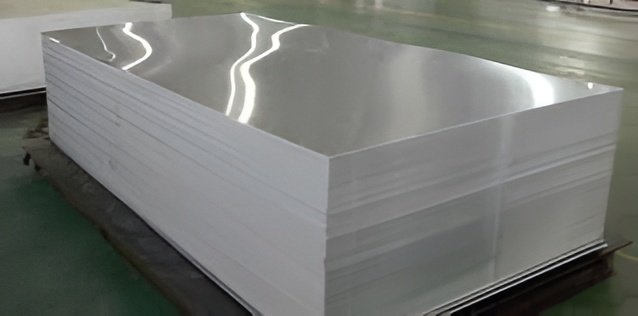
Renaissance Fittings & Piping is a supplier and stockist of Aluminium Alloy Sheets in India, supporting engineering companies, fabrication industries and manufacturing sectors that require aluminium sheet materials for structural and industrial applications.
Aluminium alloy sheets are flat rolled metal products produced from aluminium alloys and used across a wide range of industrial environments. These sheets are commonly selected where materials must combine structural strength, corrosion resistance and lightweight characteristics.
Because aluminium alloys offer a favorable strength-to-weight ratio and natural resistance to atmospheric corrosion, aluminium sheets are widely used across industries including engineering fabrication, transportation equipment manufacturing, construction projects and industrial machinery production.
Manufacturing workshops and fabrication facilities often use aluminium sheets for producing panels, enclosures, structural components and fabricated assemblies where lightweight metals are preferred without sacrificing durability.
Understanding Aluminium Alloy Sheets and Their Industrial Role
What Are Aluminium Alloy Sheets?
Aluminium alloy sheets are flat metal products manufactured from aluminium alloys through rolling processes that convert aluminium slabs into thin sheet forms with controlled thickness. These sheets are widely used in industrial and engineering applications where materials must provide structural strength while remaining lightweight and corrosion resistant.
Because aluminium sheets are easier to form and fabricate compared with many heavier metals, they are commonly used in fabrication industries, transportation manufacturing and architectural engineering applications. Industrial users often select aluminium sheets when projects require durable sheet metal materials that support machining, bending, welding and fabrication operations.
Manufacturing Process of Aluminium Alloy Sheets
The production of aluminium alloy sheets generally involves rolling and finishing processes that determine the final sheet thickness, surface quality and mechanical properties. Typical manufacturing stages include:
- Aluminium slab casting and preparation
- Hot rolling to reduce thickness
- Cold rolling for precision thickness control
- Heat treatment and temper processing
- Surface finishing and dimensional inspection
These manufacturing stages influence the dimensional accuracy, surface flatness and mechanical performance of aluminium alloy sheets used in industrial applications.
Why Aluminium Alloys Are Used for Sheet Products
Aluminium alloys are widely used for sheet products because they offer a combination of physical and mechanical properties suitable for industrial fabrication and structural applications. Important advantages include:
- Lightweight metal with high strength-to-weight performance
- Natural resistance to atmospheric corrosion
- Compatibility with machining and fabrication processes
- Suitable for structural and engineering components
These characteristics allow aluminium sheets to be used in engineering fabrication, transportation manufacturing and architectural applications where durable lightweight materials are required.
Aluminium Alloy Sheet Grades Available
Different aluminium alloys are used for sheet manufacturing depending on the required mechanical strength, corrosion resistance and fabrication properties. The following aluminium grades may be used for aluminium sheet products:
| Aluminium Grade | Description |
|---|---|
| 5082 Aluminium Alloy Sheets | Known for corrosion resistance and structural durability |
| 5083 Aluminium Alloy Sheets | Often used where enhanced corrosion resistance is required |
| 6082 Aluminium Alloy Sheets | Higher strength alloy used in engineering applications |
| 6083 Aluminium Alloy Sheets | Used in fabrication and structural manufacturing |
Additional aluminium grades may also be available depending on project requirements and supply specifications.
Grade Specific Pages
More detailed information about individual alloy grades can be explored through dedicated pages:
- 5082 Aluminium Alloy Sheets Supplier
- 5083 Aluminium Alloy Sheets Supplier
- 6082 Aluminium Alloy Sheets Supplier
- 6083 Aluminium Alloy Sheets Supplier
Each grade page provides deeper technical information regarding the characteristics and potential applications of that aluminium alloy.
Mechanical and Performance Characteristics of Aluminium Alloy Sheets
Tensile Strength and Yield Strength
Mechanical properties of aluminium sheets depend on alloy composition, rolling processes and temper conditions. Because different aluminium alloys are engineered for specific industrial purposes, mechanical performance varies between grades. The following table provides general reference ranges associated with these aluminium alloys:
| Alloy Grade | Typical Tensile Strength (MPa) | Typical Yield Strength (MPa) | Elongation (%) |
|---|---|---|---|
| 5082 | 270 – 330 | 125 – 200 | 10 – 16 |
| 5083 | 275 – 350 | 125 – 215 | 10 – 15 |
| 6082 | 260 – 340 | 240 – 280 | 8 – 12 |
| 6083 | 230 – 300 | 200 – 260 | 8 – 12 |
Actual mechanical values may vary depending on manufacturing conditions and temper specifications.
Corrosion Resistance in Industrial Environments
Aluminium alloys naturally form a protective oxide layer when exposed to air. This thin oxide film helps protect the metal surface from many forms of atmospheric corrosion.
Because of this natural protection, aluminium sheets are frequently used in outdoor environments, marine fabrication, and industrial manufacturing sectors where corrosion resistance is an important material requirement.
Fabrication and Machining Compatibility
Aluminium alloy sheets are widely used in fabrication industries because they can be processed using common metalworking techniques. Typical fabrication operations include:
- Sheet cutting and machining
- Bending and forming processes
- Welding and assembly
- Drilling and fastening operations
These characteristics allow aluminium sheets to support a wide range of engineering and industrial fabrication applications.
Size Range, Dimensions and Surface Finish Options
Aluminium alloy sheets are manufactured in different thickness ranges depending on rolling capabilities and industrial demand. The available dimensions depend on alloy grade and production specifications.
Industrial buyers typically define sheet requirements based on thickness, width and sheet length depending on fabrication or engineering applications.
Sheet Length and Width Options
Aluminium sheets are commonly supplied in standard industrial sizes. Custom cut dimensions may also be available depending on order quantities and project specifications.
Surface Finish
Aluminium alloy sheets are typically supplied in mill finish condition, which is the natural surface produced after rolling and processing operations. Additional surface treatments may be applied depending on the final industrial application.
Industrial Applications of Aluminium Alloy Sheets in India
Aluminium alloy sheets are widely used across industrial sectors where lightweight yet durable sheet materials are required.
- Structural fabrication and engineering assemblies
- Transportation and vehicle body panels
- Construction and architectural components
- Industrial machinery enclosures
- Equipment manufacturing and fabrication projects
Pan India Supply Network and Bulk Distribution Coverage
Renaissance Fittings & Piping supports the supply of aluminium alloy sheets to industrial buyers across multiple regions of India. Delivery timelines may vary depending on material availability, order volume and logistics coordination.
Manufacturing facilities located in major industrial regions often require consistent material supply to maintain fabrication operations. A reliable distribution network helps ensure aluminium sheet materials can be delivered efficiently to different manufacturing locations.
Major Industrial Cities We Supply
| Cities We Serve | |||
|---|---|---|---|
| Mumbai | Pune | Nashik | Nagpur |
| Ahmedabad | Vadodara | Surat | Rajkot |
| Delhi | Noida | Gurugram | Faridabad |
| Jaipur | Indore | Bhopal | Chandigarh |
| Ludhiana | Chennai | Coimbatore | Bengaluru |
| Hyderabad | Kolkata | Patna | Ranchi |
Technical Specification Overview
Manufacturing and Quality Considerations
Aluminium alloy sheets are produced through rolling processes that determine sheet thickness and mechanical performance. Manufacturing conditions, alloy composition and finishing operations contribute to the overall reliability of the material.
When procuring aluminium sheets, industrial buyers typically evaluate factors such as alloy grade, sheet thickness, surface finish and dimensional tolerance depending on the intended application. Material documentation and certification may also be required for industrial procurement and engineering projects.
Grade Comparison Summary
| Property Focus | 5082 | 5083 | 6082 | 6083 |
|---|---|---|---|---|
| Corrosion Resistance | High | Very High | Moderate to High | Moderate |
| Weldability | Good | Very Good | Good | Good |
| Relative Strength | Moderate | Moderate | Higher | Moderate to Higher |
| Heat Treatment Capability | No | No | Yes | Yes |
Why Choose a Reliable Aluminium Alloy Sheets Stockist in India
Importance of Multi-Grade Availability
Industrial projects often require multiple aluminium alloys depending on structural and environmental requirements. Access to multiple grades allows buyers to select materials suitable for different engineering applications.
Material Traceability and Documentation
Material documentation enables buyers to verify alloy composition, manufacturing source and compliance with technical specifications.
Bulk Supply Capability Across India
Large engineering and fabrication projects often require consistent material supply across multiple locations. Reliable stock availability and logistics support help ensure aluminium sheets can be supplied efficiently throughout India.
Related Aluminium Products
Renaissance Fittings & Piping also supplies several aluminium products used in industrial fabrication and engineering applications. Related aluminium products include:
- Aluminium Alloy Angles
- Aluminium Alloy Circles
- Aluminium Alloy Coils
- Aluminium Round Bars
- Aluminium Chequered Plates
- Aluminium Pipes
These products support a wide range of structural and fabrication requirements across industrial sectors.
Request a Quote for Aluminium Alloy Sheets
If you are sourcing aluminium alloy sheets for fabrication, structural engineering or manufacturing applications, our team can assist with material availability and supply requirements.
To provide an accurate quotation, please share your project specifications and material requirements. After receiving your enquiry, our team will review the details and respond with information regarding available stock, lead times and supply options.
Providing the following details during enquiry helps us evaluate your requirement more effectively:
- Required aluminium alloy grade
- Sheet thickness and dimensions
- Quantity requirement
- Delivery location or project site
Once these details are reviewed, we can provide information regarding stock availability, pricing and supply arrangements.
Frequently Asked Questions
What are aluminium alloy sheets used for?
Aluminium alloy sheets are used in structural fabrication, transportation manufacturing, construction projects and industrial engineering applications.
How are aluminium alloy sheets manufactured?
They are produced through rolling processes where aluminium slabs are hot rolled and cold rolled to achieve the required sheet thickness.
Are aluminium sheets suitable for fabrication?
Yes. Aluminium sheets can be cut, bent, welded and machined depending on alloy grade and application requirements.
Are multiple aluminium alloy grades available?
Yes, aluminium sheets can be supplied in different aluminium alloys depending on strength, corrosion resistance and fabrication needs.
How can I confirm sheet size availability?
Exact sheet thickness, width and length availability can be confirmed during quotation enquiries.